Work03EVolocity

EVolocity

Connected systems for an electric vehicle.

Years
2023–24
Place
New Zealand
Built
Monitoring system (2023) · the whole electrical system (2024)
Recognition
Electronic Innovation 1st · Engineering Design 3rd
Hardware
ESP32 · Raspberry Pi · sensors
Software
MQTT · Node-RED
Links
Wi-Fi and cellular
Team
Team Trevor · Hagley College
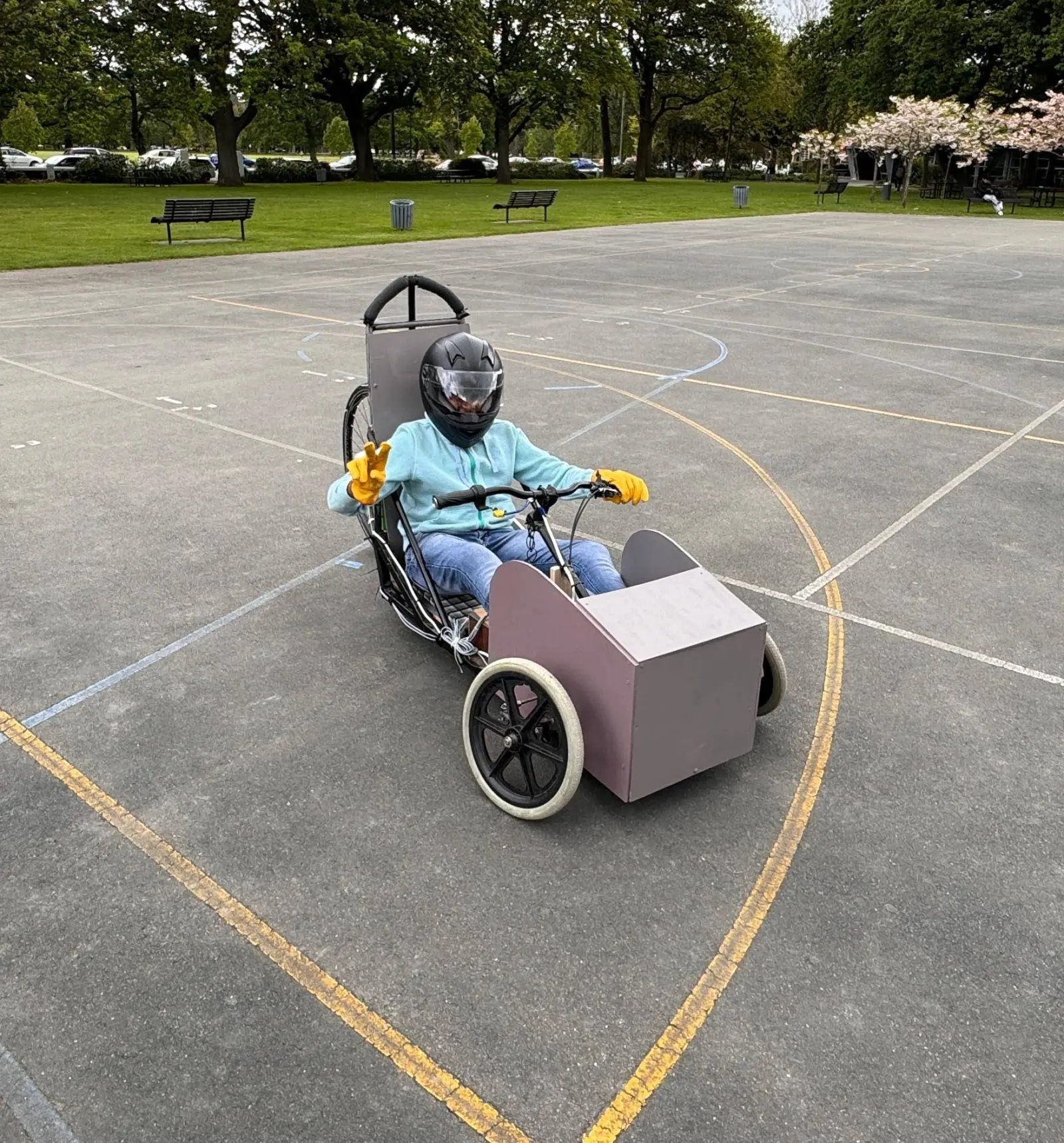
Test run of the electric vehicle on an outdoor court in New Zealand, 2023
Plate 01 · Test run · New Zealand · 2023

01 · Context

Two karts, and the systems that let people see inside them.

EVolocity is a New Zealand programme where students design, build and race their own electric vehicles. We built two.

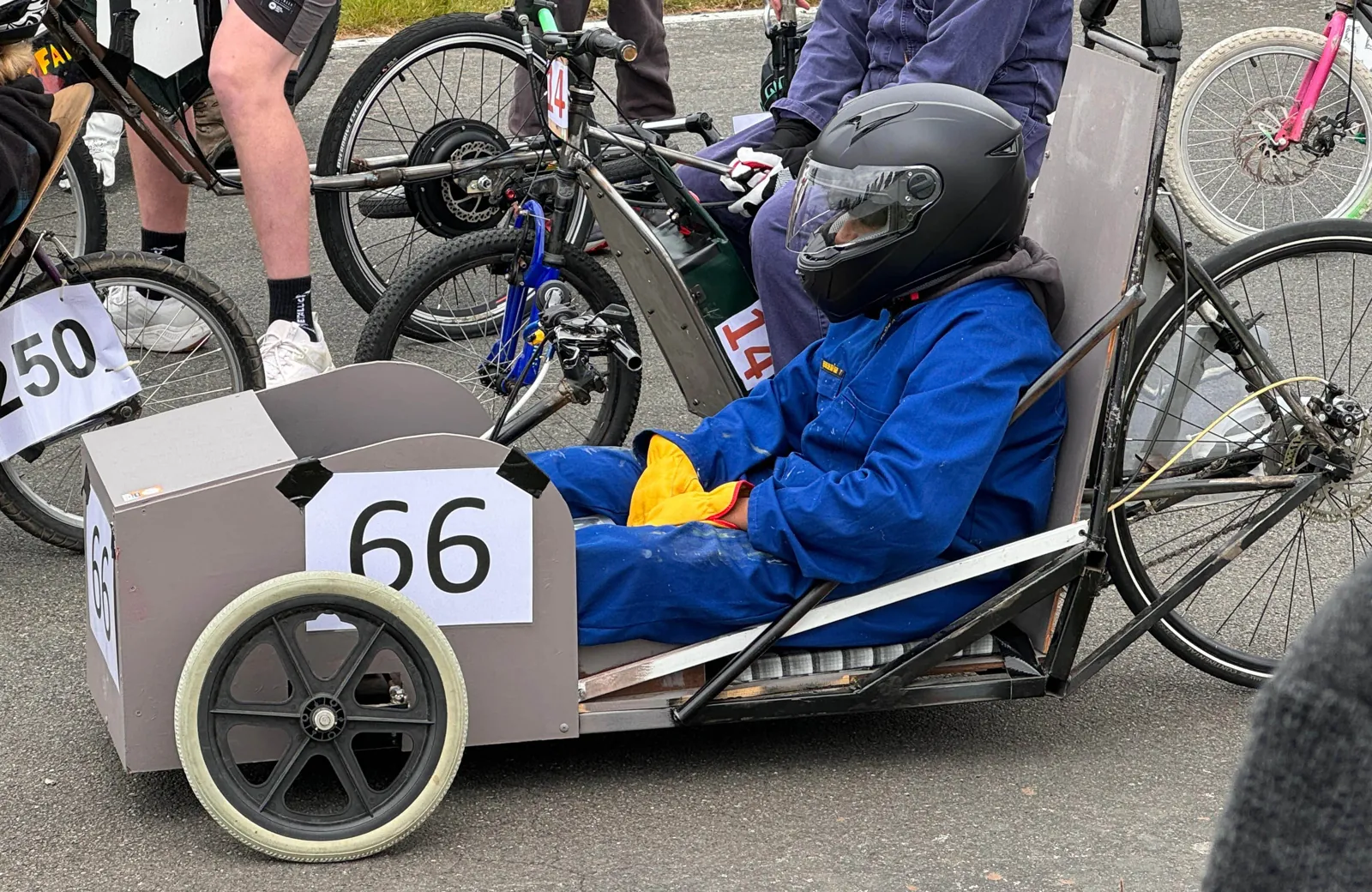
The first was car 66, the 2023 race kart. My part was the monitoring system: sensors, an ESP32, the displays and the telemetry going over Wi-Fi and cellular. I also drove it.

The second was the four-wheeled kart we built in 2024. That one I built the entire system for: the central ECU, the sensors, the control box, the battery testing and the steering wheel with the displays set into it.

Plate 02 · Car 66 off the line, me driving · Canterbury regional finals · Oct 2023

02 · Architecture

From sensors to the driver’s screen.

The data path, block by block. Hover or tap a block to see its job.

Fig. 01 EV data path

Inspector

Vehicle

The electric vehicle itself. Every signal starts here.

MQTT topics, car 66 · published every 2 s

  • esp/ntc/motor motor temperature
  • esp/ntc/battery battery temperature
  • esp/ir/speed km/h from the wheel sensor
  • esp/power/current amps from the hall sensor
  • esp/dht/temperature ambient
  • esp/dht/humidity ambient

03 · Decisions

Why these parts.

Why ESP32?

On paper: Wi-Fi on the chip, low cost and plenty of I/O.

MineIt’s easy to program and dumb enough to just do the job, so I never had to worry about firmware. It’s cheap, so a broken one gets swapped, not repaired. And it has analog inputs, which the Pi doesn’t.

Why MQTT?

On paper: lightweight publish/subscribe messaging made for small devices and flaky links.

Why a Raspberry Pi in the middle?

On paper: a full Linux computer that can collect messages and run dashboard software.

Why Node-RED?

On paper: visual flows for wiring live data into a dashboard quickly.

Why the Kelly controller? 2024 kart

On paper: a programmable brushless motor controller with an RS232 port.

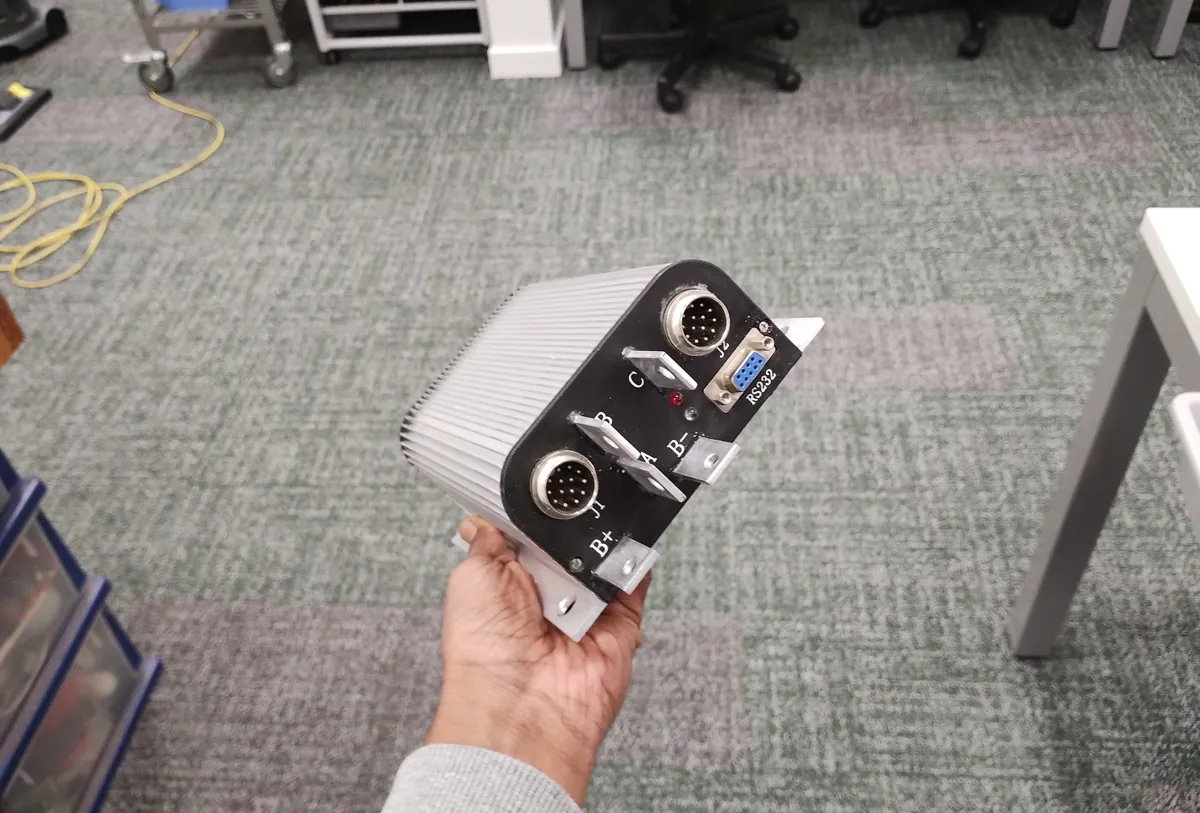
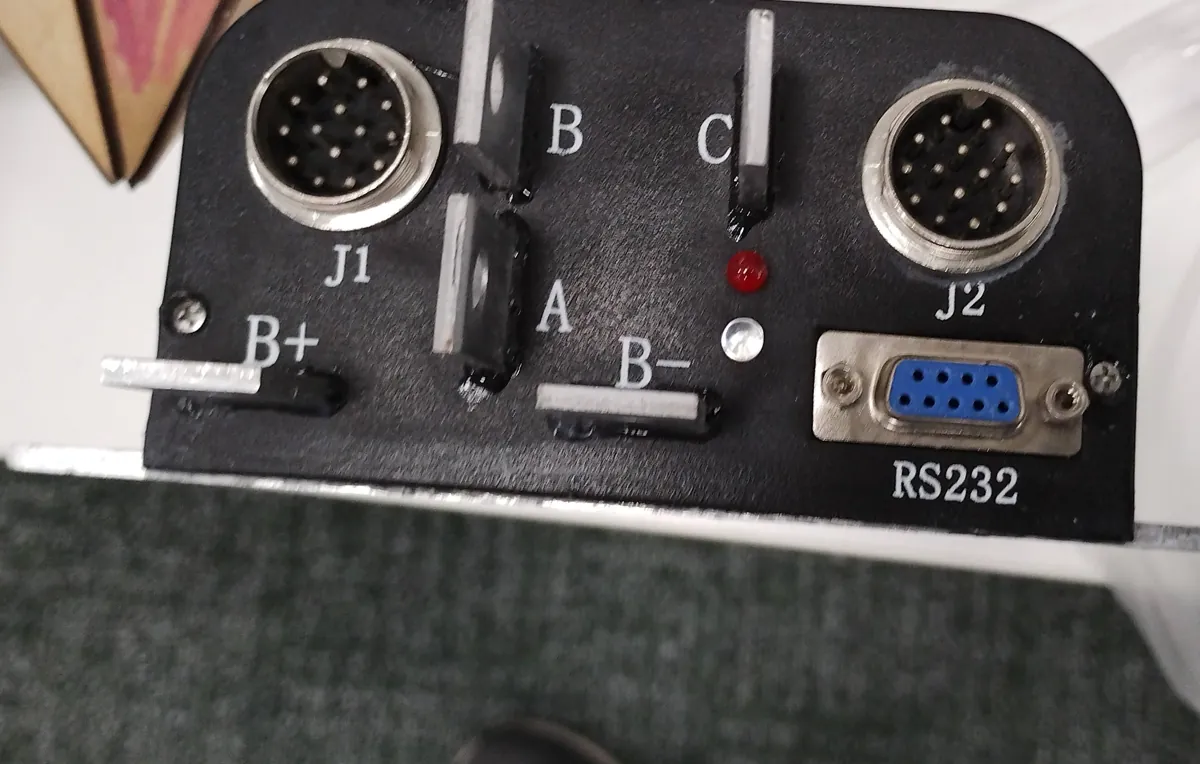
MineThe cheap controllers had no features. The Kelly is programmable from a laptop over RS232, so I could set continuous and peak power (we had a 2 kW limit, 3 kW peak), the low-battery cutoff and the regen current. Regenerative braking puts energy back into the battery instead of into heat, and it works at low speed, so the disc brakes only have to do the emergency stop.

Why a wooden frame? 2024 kart

On paper: heavier than aluminium, easier to build with school tools.

MineThe plan was metal. Then Tait Electronics funded us on the condition that the kart was eco-friendly, so the frame became wood, drawn up in Fusion 360. Phase one was a basic car that drives with no microcontrollers at all: a 2 kW Kunray motor, the controller, a battery, brakes and a throttle. The control system came after.

04 · Build

Two karts. A monitoring system, then the whole thing.

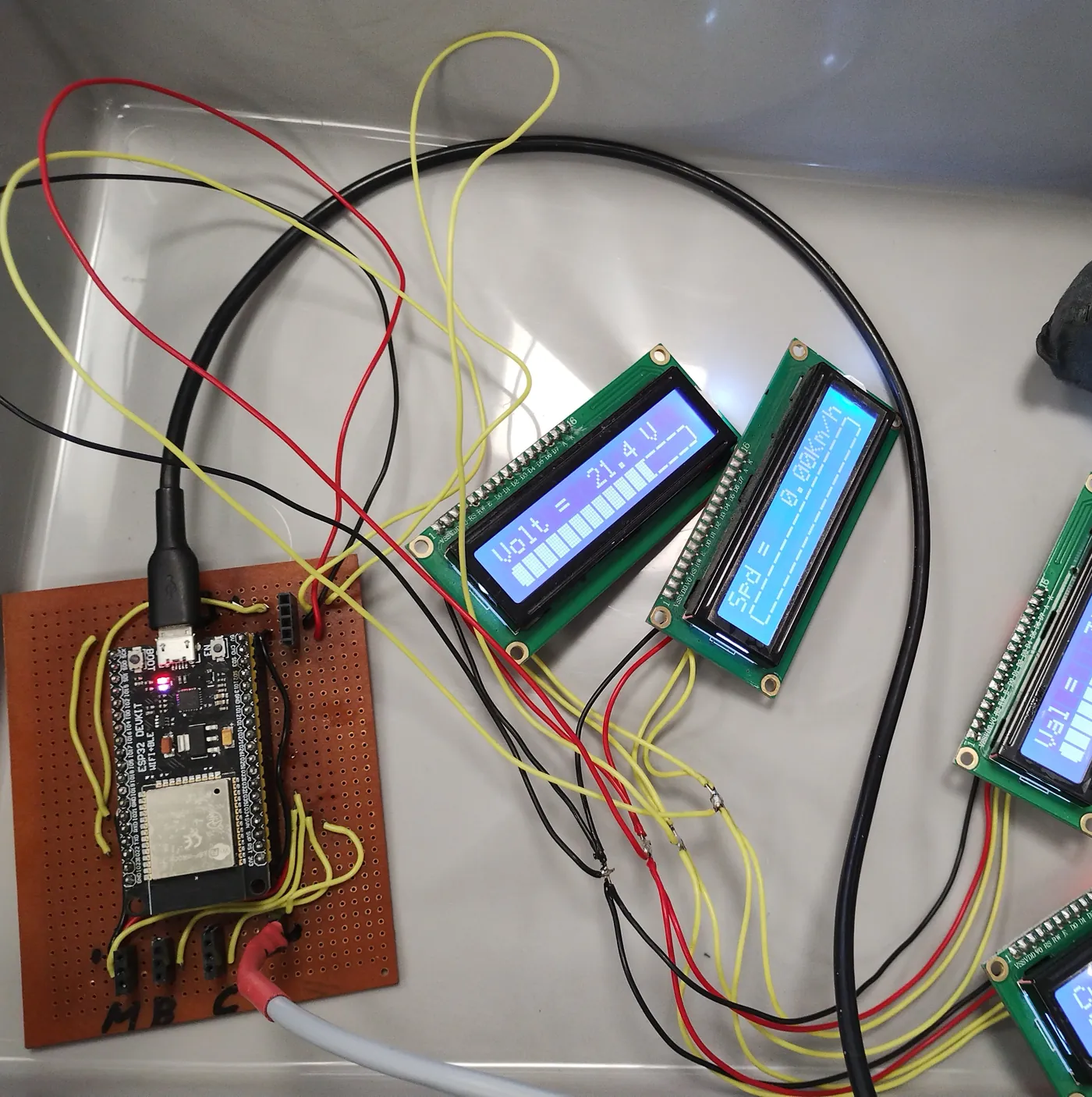
Car 66, 2023: the monitoring system went onto the team’s race kart. An ESP32 reading the vehicle, pushing volts, speed and current to four small displays and over MQTT to the Pi.

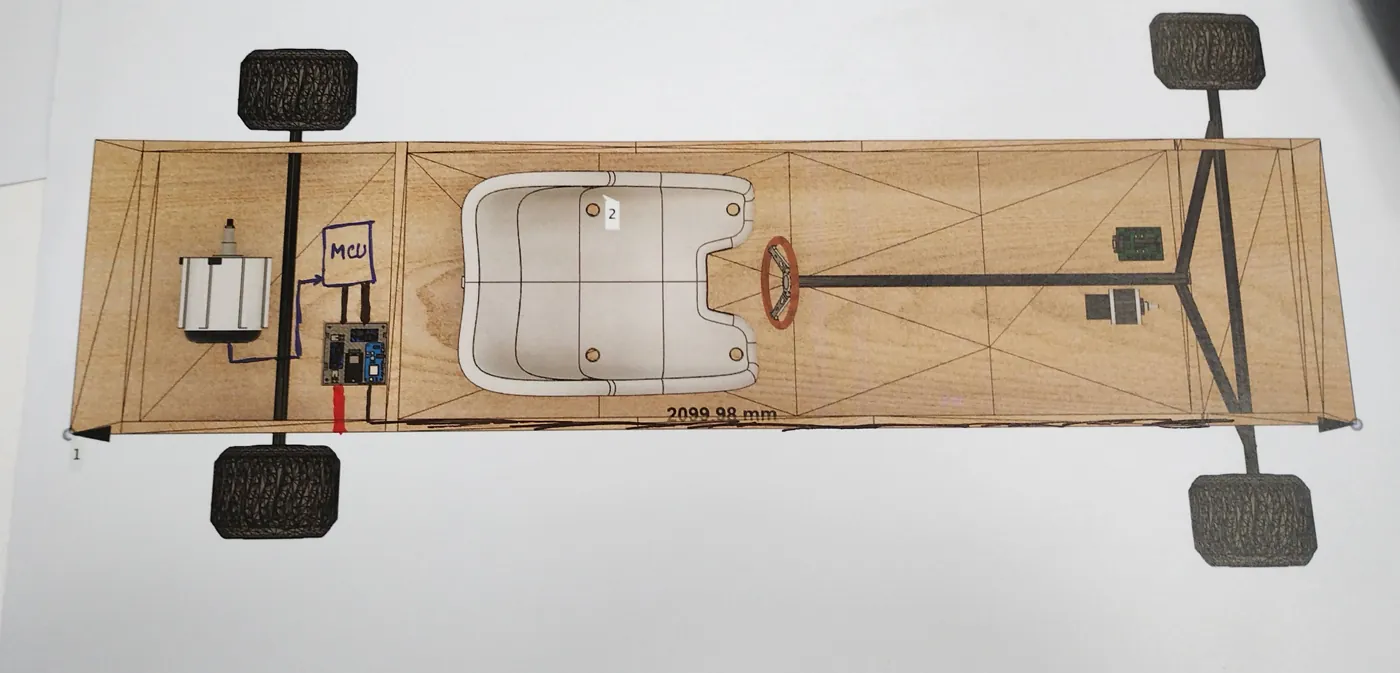
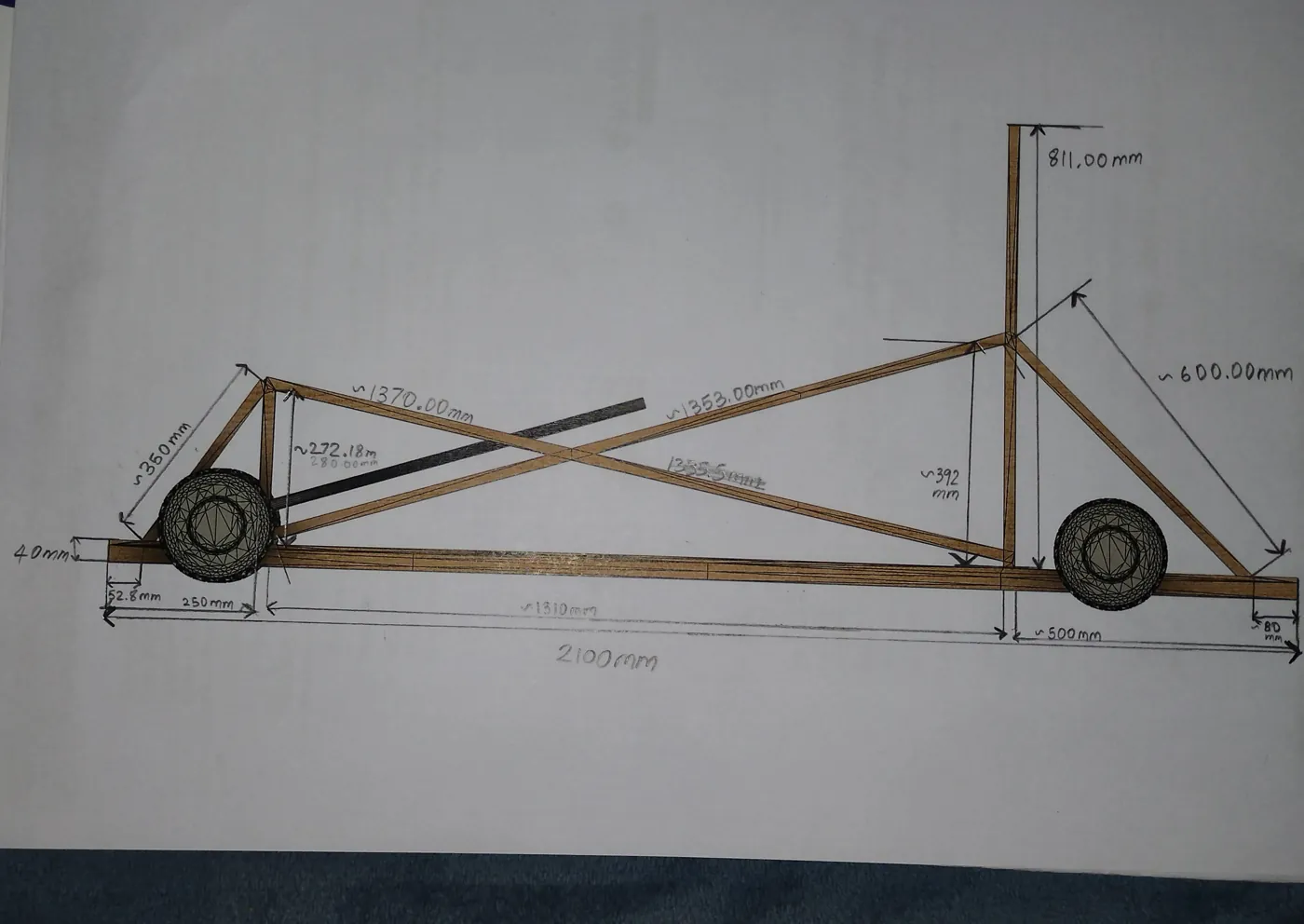
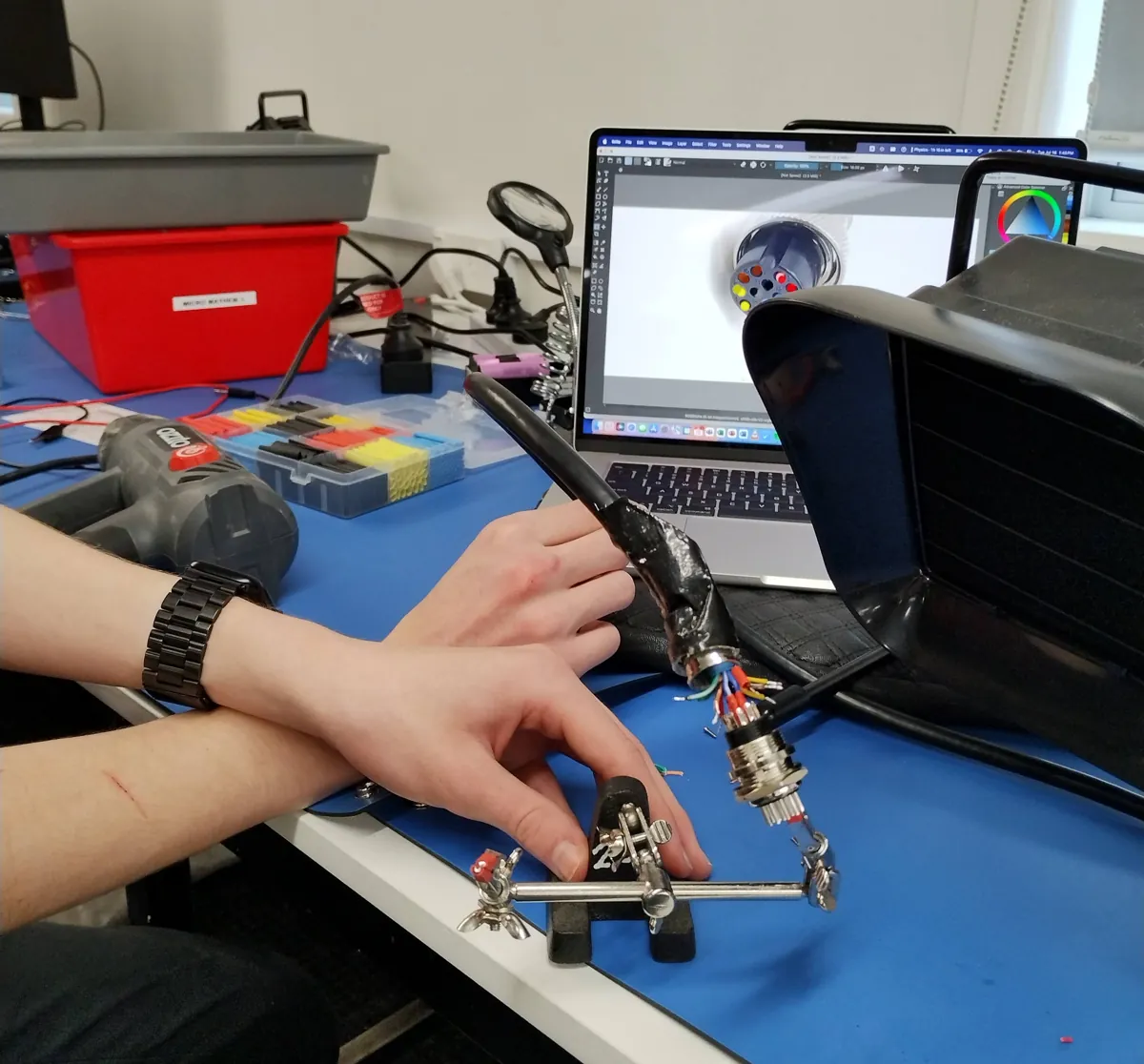
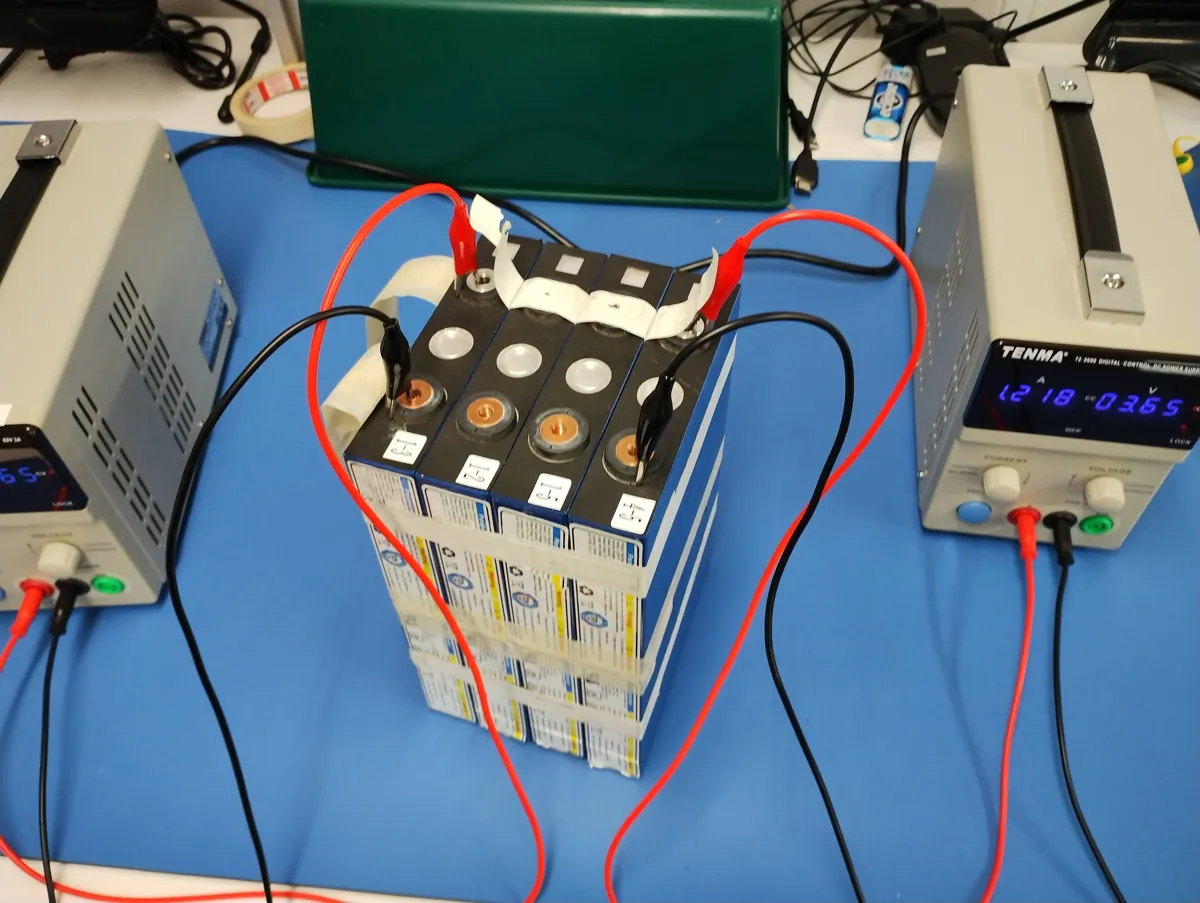
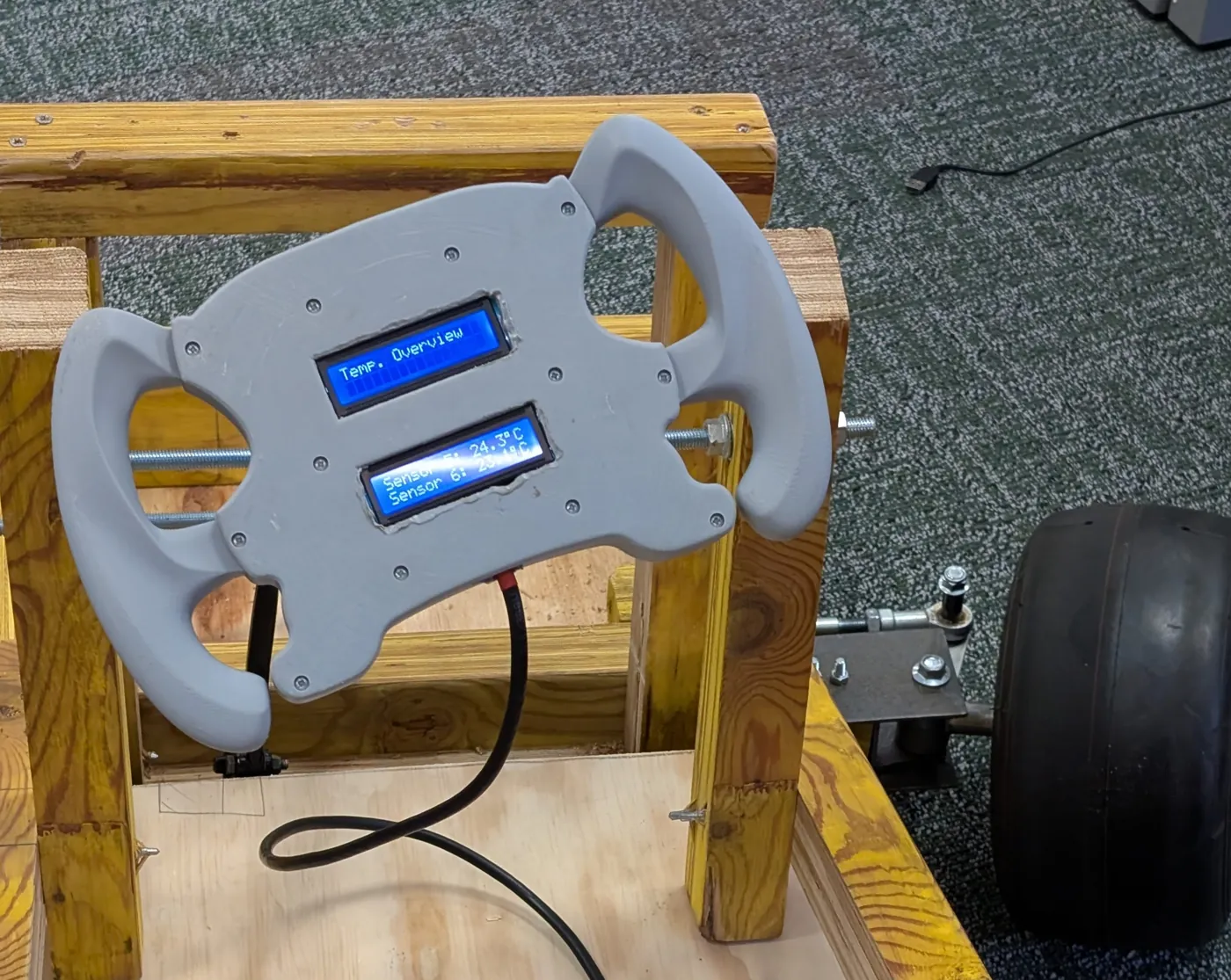
The four-wheeled kart, 2024: this time the whole electrical system was mine. Chassis drawings, a central ECU, a motor controller and control box, a battery pack tested on bench supplies, and a steering wheel we printed with two displays set into it, so the readings live in the driver’s hands.

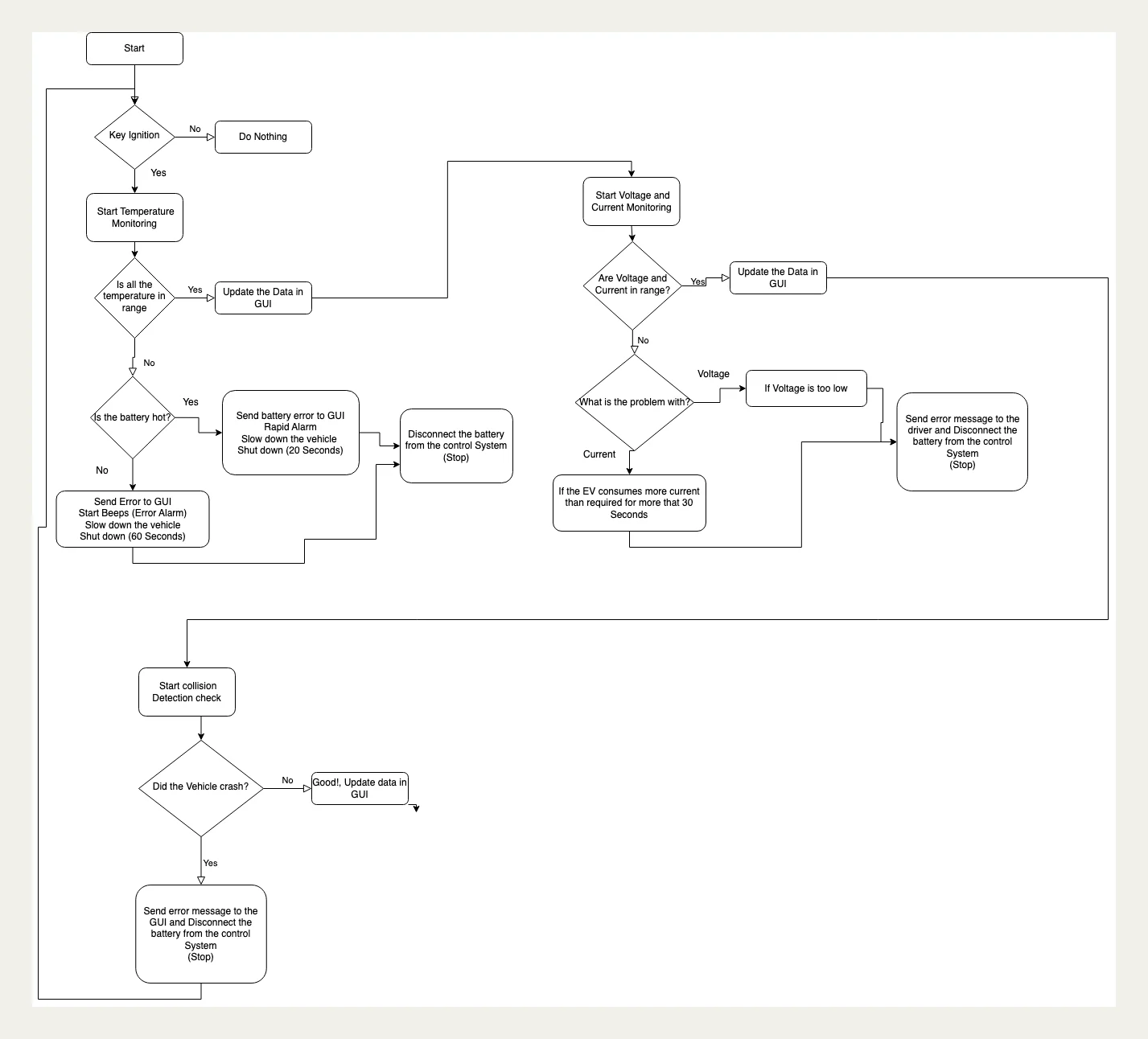
I planned it in three phases with my mentor, Thomas. One: a basic car that drives, no microcontrollers. Two: the control system, with voltage, current and temperature monitoring, a dashboard, crash detection and thermal shutdown. Three: autonomy, which was never funded. Everything got tested on a rig before it went near the kart.
Requirements I set for the 2024 system

  • PWRRuns from the 48 V pack · motor system at or under 2 kW continuous · thermal shutdown
  • ELEOver-voltage and reverse-polarity protection · every part fused · every external connection undone without tools · all wires soldered or crimped
  • SWRLogs at 2 Hz or better · voltage within ±1 V, current within ±0.5 A · dashboard readable from the seat and not distracting
  • PHYSurvives kart vibration · rain-proofed motor and control box
Flowchart of the 2024 control logic: key ignition, then temperature monitoring, then voltage and current monitoring, then collision detection, each with alarms, slow-down and battery disconnect on failure
Fig. 02 · Control logic, 2024 · key ignition → temperature → voltage and current → collision → disconnect the battery

2023 · Car 66 · the monitoring system

ESP32 on a perfboard wired to four small blue LCDs reading volts, speed, a sensor value and current
Plate 03 · Bench test, Oct 2023 · volts, speed, sensor value, current
Vishan in a helmet and blue overalls in car number 66 on the start grid
Plate 04 · Car 66 on the grid, me in the seat · Oct 2023

2024 · Four-wheel kart · the whole system

Hand-drawn side elevation of the new chassis with dimensions
Plate 05 · Chassis, side elevation · Jun 2024
Hand-drawn top view of the chassis showing the seat, wheels, controller and ESP32 placement
Plate 06 · Chassis, plan view
Aluminium motor controller held in one hand
Plate 07 · Motor controller
Black control box panel with two round multi-pin connectors, an RS232 port and labelled terminals
Plate 08 · Control box · J1, J2, RS232
Soldering a multi-pin harness connector in a helping-hands clamp, laptop with the CAD model behind
Plate 09 · Harness connector · Jul 2024
Battery pack on a blue bench between two lab power supplies with leads clipped on
Plate 10 · Battery pack on the bench · Aug 2024
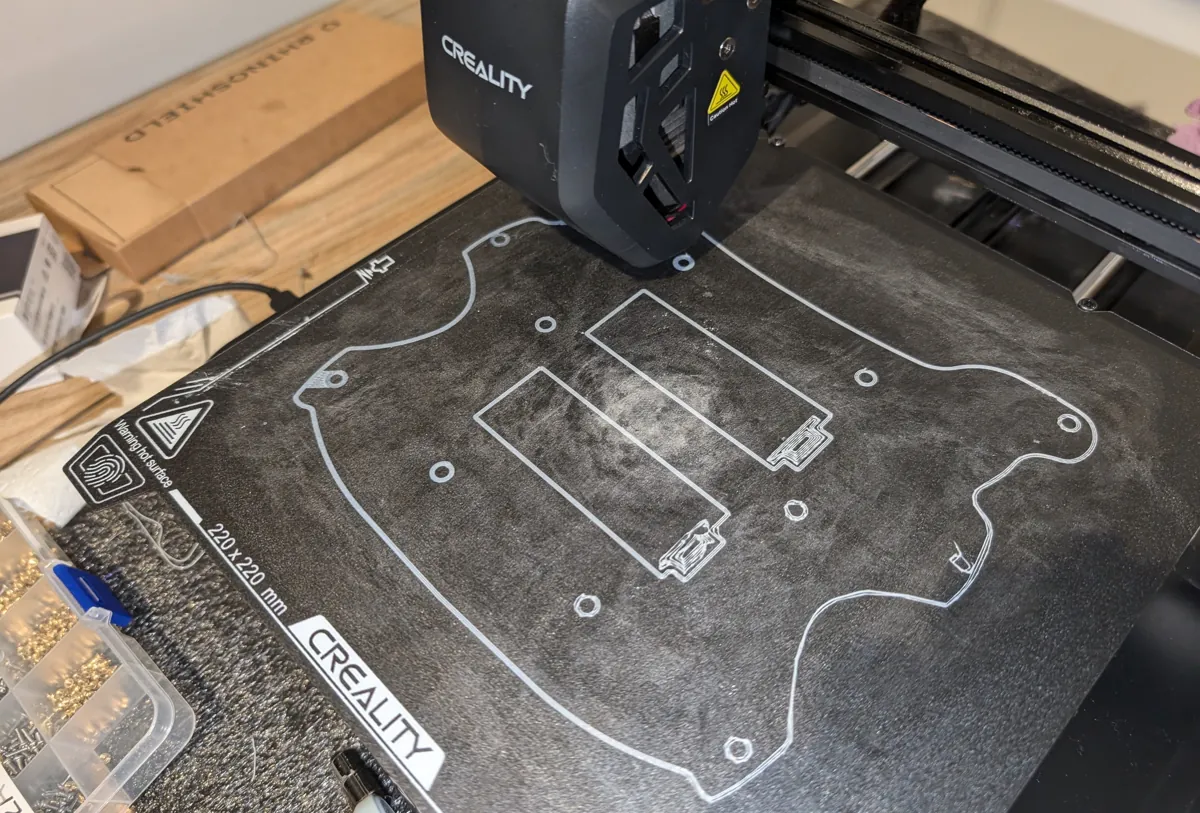
Steering wheel outline being printed on a Creality 3D printer bed
Plate 11 · Steering wheel, first layers
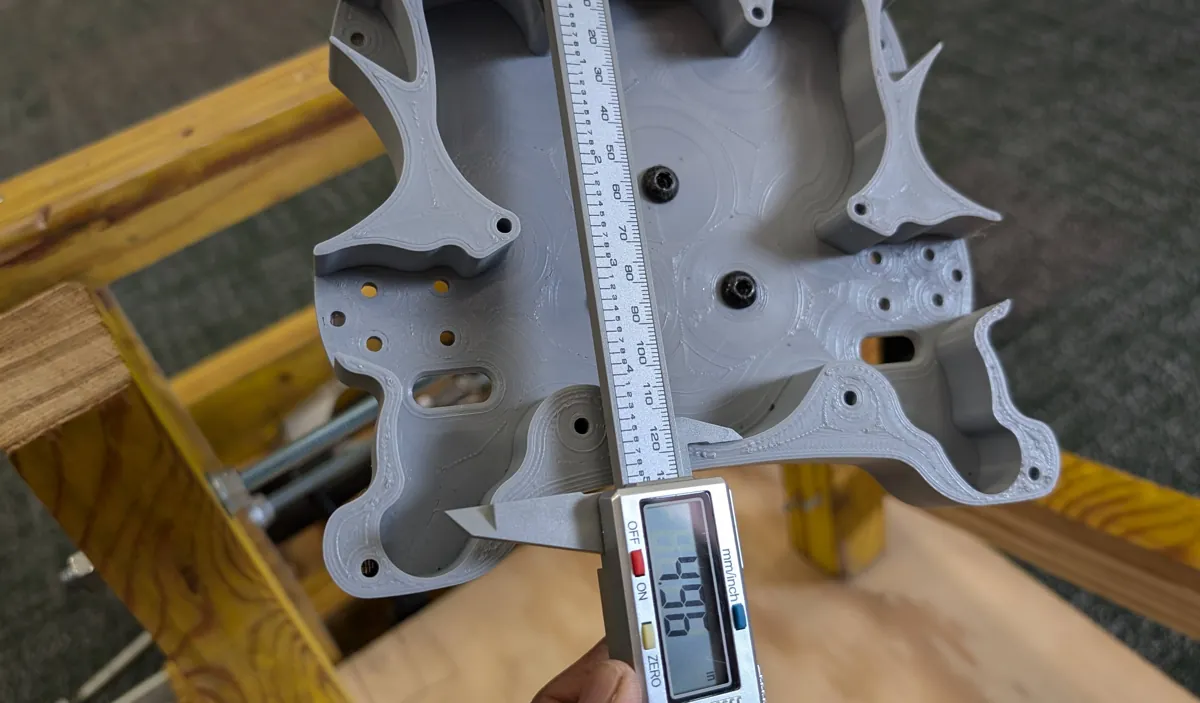
Printed steering wheel being measured with digital calipers
Plate 12 · Checked with calipers
Grey 3D-printed steering wheel mounted on the wooden chassis with two blue LCDs showing a temperature overview
Plate 13 · The wheel on the chassis, displays live · Oct 2024
Plate 14 · Readings in the driver’s hands

05 · What broke

The Pi, during a demo.

The Raspberry Pi failed to get onto the internet in the middle of a demo. The vehicle was fine and the ESP32 kept reading and publishing, but the data path stopped at the Pi, in front of people.

The cheap, dumb part of the system did its job. The part that depended on a network connection was the part that failed when it mattered.

06 · Result

Two awards at the Canterbury regional finals.

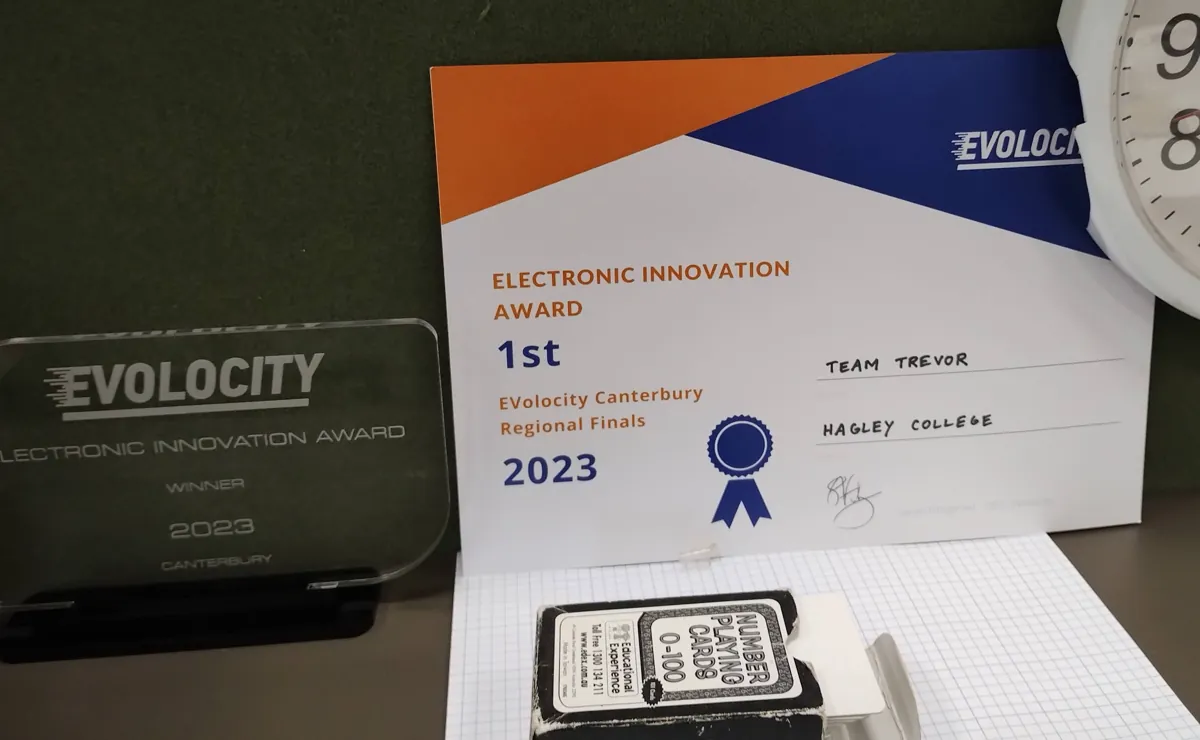
1stElectronic Innovation Award
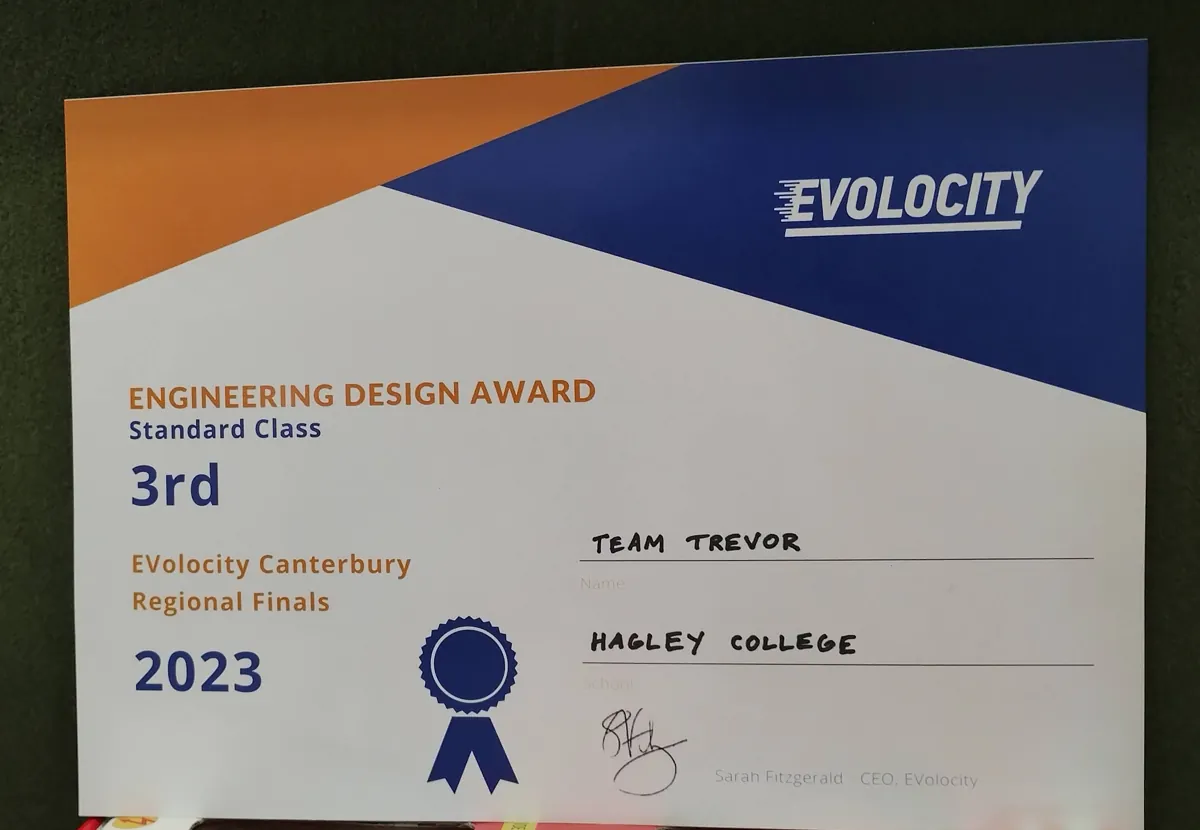
3rdEngineering Design Award · Standard Class

EVolocity Canterbury Regional Finals, 2023. Team Trevor, Hagley College.

Electronic Innovation Award certificate, 1st, next to the EVolocity trophy
Plate 15 · Electronic Innovation Award · 1st
Engineering Design Award certificate, Standard Class, 3rd, Team Trevor, Hagley College
Plate 16 · Engineering Design Award · 3rd

07 · Today

What I’d do differently now.

A touchscreen dashboard in the vehicle: every reading on one screen, with a speedometer. The driver sees the numbers whether or not the link is up, and the network becomes a bonus instead of a dependency.

§ End Status Power on

Still building

The projects got bigger. The curiosity didn’t.

Email me